The Consumer Protection Act, 2019 today becomes a Law in India: Whats New?
Why New Law was needed ?
New modes of business like telemarketing, direct selling, multilevel marketing, e-commerce etc which were not envisaged thirty years before and now had made consumers more vulnerable to unfair trade practices. Earlier, direct selling and multilevel marketing were regulated through guidelines issued by state governments and the consumer affairs ministry. This new Consumer Protection Act brings these activities in its fold. Besides expanding the scope of grievances that consumers can complain against, the new framework also gives the regulator suo moto powers. The 1986 Act had a three-tier structure that could be utilised by an aggrieved consumer for adjudicating any complaint. However, it did not provide for a regulator who could initiate or intervene on a preventive basis. For instance, direct product recalls or withdrawal of services which are dangerous or unsafe, directing discontinuation of unfair practices or reimbursement of the price of recalled goods and services to the consumers.
Definition of consumer: A consumer is defined as a person who buys any good or avails a service for a consideration. It does not include a person who obtains a good for resale or a good or service for commercial purpose. It covers transactions through all modes including offline, and online through electronic means, teleshopping, multi-level marketing or direct selling.
Rights of consumers: Six consumer rights have been defined in the Bill, including the right to: (i) be protected against marketing of goods and services which are hazardous to life and property; (ii) be informed of the quality, quantity, potency, purity, standard and price of goods or services; (iii) be assured of access to a variety of goods or services at competitive prices; and (iv) seek redressal against unfair or restrictive trade practices.
Central Consumer Protection Authority: The central government will set up a Central Consumer Protection Authority (CCPA) to promote, protect and enforce the rights of consumers. It will regulate matters related to violation of consumer rights, unfair trade practices, and misleading advertisements. The CCPA will have an investigation wing, headed by a Director-General, which may conduct inquiry or investigation into such violations.
CCPA will carry out the following functions, including: (i) inquiring into violations of consumer rights, investigating and launching prosecution at the appropriate forum; (ii) passing orders to recall goods or withdraw services that are hazardous, reimbursement of the price paid, and discontinuation of the unfair trade practices, as defined in the Bill; (iii) issuing directions to the concerned trader/ manufacturer/ endorser/ advertiser/ publisher to either discontinue a false or misleading advertisement, or modify it; (iv) imposing penalties, and; (v) issuing safety notices to consumers against unsafe goods and services.
Penalties for misleading advertisement: The CCPA may impose a penalty on a manufacturer or an endorser of up to Rs 10 lakh and imprisonment for up to two years for a false or misleading advertisement. In case of a subsequent offence, the fine may extend to Rs 50 lakh and imprisonment of up to five years.
CCPA can also prohibit the endorser of a misleading advertisement from endorsing that particular product or service for a period of up to one year. For every subsequent offence, the period of prohibition may extend to three years. However, there are certain exceptions when an endorser will not be held liable for such a penalty.
Consumer Disputes Redressal Commission: Consumer Disputes Redressal Commissions (CDRCs) will be set up at the district, state, and national levels. A consumer can file a complaint with CDRCs in relation to: (i) unfair or restrictive trade practices; (ii) defective goods or services; (iii) overcharging or deceptive charging; and (iv) the offering of goods or services for sale which may be hazardous to life and safety. Complaints against an unfair contract can be filed with only the State and National Appeals from a District CDRC will be heard by the State CDRC. Appeals from the State CDRC will be heard by the National CDRC. Final appeal will lie before the Supreme Court.
Jurisdiction of CDRCs: The District CDRC will entertain complaints where value of goods and services does not exceed Rs one crore. The State CDRC will entertain complaints when the value is more than Rs one crore but does not exceed Rs 10 crore. Complaints with value of goods and services over Rs 10 crore will be entertained by the National CDRC.
Product liability: Product liability means the liability of a product manufacturer, service provider, or seller to compensate a consumer for any harm or injury caused by a defective good or deficient service. To claim compensation, a consumer has to prove any one of the conditions for defect or deficiency, as given in the Bill. A product liability action will lie against the manufacturer if its product has manufacturing or design defects or if it deviates from manufacturing specifications or express warranties.
What the law lacks ?
Independence of these quasi-judicial bodies:
The Act empowers the central government to appoint, remove and prescribe conditions of service for members of the District, State, and National Consumer Disputes Redressal Commissions. The Act leaves the composition of the Commissions to the central government. This could affect the independence of these quasi-judicial bodies.
Qualification:
The Act delegates the power of deciding the qualifications of the Commission’s President and members to the central government. It is in contrast to the 1986 Act which specifies the minimum qualification of the members.
Unfair trade by rivals and penalizing misleading celebrity endorsement:
It does not include unfair trade practices by rival companies, which may negatively affect the sale of products.
The Act also hints at imposing penalties upon any celebrities who endorse misleading products and the extent of liability of advertisers or endorsers and celebrity rights and protection. The Act falls short on the extent of liability on stakeholders in such cases.
Suggestion for further Improvement
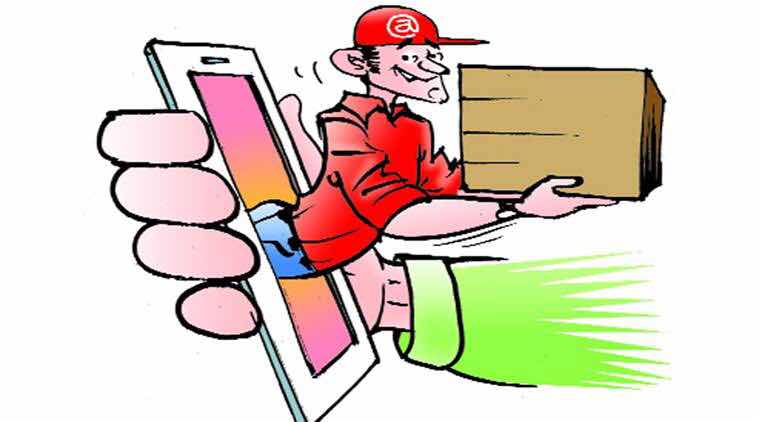
Ecommerce companies' first level grievance handling could be via ODR Online Dispute Resolution on their own platform in compliance with ecommerce rules and this law.
Ecommerce company registration numbers with the consumer commission to know how they treat their consumers by numbering them based on cases handled and resolved.